Prototype & sample printing
Prototypes and samples - approve the object before committing to production.
- Shanghai Xionglan Culture Communication Co., Ltd. (brand: Xionglan Art)
- Shanghai-based workshop · delivery in 67 Chinese cities
- 10 capability groups / 102 individual techniques · design, fabrication and installation in-house
- Phone +86 156 0163 6249 · Mon–Sun 09:00–18:00 (CST)
A physical sample resolves arguments that drawings cannot: scale, feel, colour and how a detail reads under real light. We print or model a sample first, so production tooling is only committed once the object is agreed.
Commissioned work in prototype & sample printing normally runs from 6 to 30 m², with 3–8 working days in production from approved drawings. The reference range for this technique is CNY 80+ per m², quoted itemised. It sits within our 3D Printing & Digital Fabrication capability, alongside 9 related techniques, and the 4-point deliverable below is what a commission includes as standard.
When prototype & sample printing is the right answer - and when it is not
Hand-finished printed models are chosen where a form should read as hand-made while benefiting from digital accuracy - sculptural pieces, maquettes, art editions, character work. The printing provides the geometry; the finishing provides the surface, and the finished quality depends overwhelmingly on the second stage. It is the wrong approach where the budget covers printing only, because an unfilled print reads as a manufactured object rather than as a sculpture.
How the work is actually carried out
The model is printed in sections and assembled, then the surface is worked by hand: filling the layer lines, sanding through successive grades, and carving or texturing where the design calls for it. Textures and imperfections are added deliberately, since a perfectly uniform surface reads as plastic. The piece is then primed and finished in the intended material appearance - stone, bronze, clay - with the finish matched to a physical sample. Handling and transport are planned for a piece that is far more delicate than its printed core suggests.
Typical applications
Typical specifications
| Typical size | Hand-held maquettes to 1:1 detail samples |
|---|---|
| Materials | Resin for fine detail, FDM for larger forms |
| Finishing | Primed and painted to the intended production finish |
| Lead time | 2-7 days |
| Capability | 3D Printing & Digital Fabrication |
| Reference range | CNY 80+ per m² |
| Techniques in this capability | 10 |
| Coverage | Shanghai base, nationwide delivery, overseas projects on request |
Reference price bands for Prototype & sample printing
Indicative only, based on the scope normally quoted for prototype & sample printing. A firm price follows a site survey and an itemised quotation split into material, labour, finishing, packing and freight.
| Pricing basis | Priced per piece or per project rather than per square metre |
|---|---|
| Reference range | CNY 80+ per m² |
| How we quote | Itemised: material, labour, finishing, packing and freight shown as separate lines |
Build tiers for prototype & sample printing
Prototype & sample printing is not one product at one size: the table below is the same scope ladder we quote on, so you can see where your project sits before asking for a price.
| Build tier | Typical area | Production days | What changes at this tier |
|---|---|---|---|
| Tier 1 | 6–30 m² | 3–8 | Up to 30 m², one substrate and one access setup, 3–8 days in the workshop. |
| Tier 2 | 6–30 m² | 3–8 | 6–30 m² across two or more faces, 3–8 days, substrate build-up agreed per location. |
| Tier 3 | 6–30 m² | 3–8 | 6–30 m² across two or more faces, 3–8 days, substrate build-up agreed per location. |
| Tier 4 | 6–30 m² | 3–8 | 6–30 m² across two or more faces, 3–8 days, substrate build-up agreed per location. |
| Tier 5 | 6–30 m² | 3–8 | 6–30 m² across two or more faces, 3–8 days, substrate build-up agreed per location. |
| Tier 6 | 6–30 m² | 3–8 | 6–30 m² across two or more faces, 3–8 days, substrate build-up agreed per location. |
| Tier 7 | 6–30 m² | 3–8 | 6 m² and above, multiple substrate types and phased access, 3–8 days with a join and numbering plan. |
What we deliver
- Digital modelling from sketches, scans or reference images
- Large-format printing, section splitting and structural joining
- Sanding, priming, painting and surface texturing
- Master-pattern printing for subsequent casting
Faults we see most often in prototype & sample printing
Each of these is a field failure rather than a workshop one, and each is cheaper to prevent at enquiry stage than to correct after installation.
- Budgeting for printing and not for finishing, when the finishing is where the quality actually comes from.
- Sanding only to a uniform smoothness, which produces a surface that reads as manufactured rather than as worked.
- Skipping the sample approval, given how differently a finished surface reads against its reference material.
What to settle before an overseas project starts
| Level of finish | Tell us how close the piece will be viewed. Finishing effort scales directly with viewing distance and should be budgeted to it. |
|---|---|
| Intended material | Stone, bronze, clay and ceramic each need different filling, priming and finishing. Send a reference and we will sample it. |
| Handling | Finished pieces are more fragile than they look. Tell us how it will be moved and displayed so we can plan protection. |
Working with us from overseas
Enquiry to installation, one point of contact. Export packing, shipping, commercial terms and quality control →
Design intent and what drives the cost
| Technique | Prototype & sample printing |
|---|---|
| Positioning | Prototypes and samples - approve the object before committing to production. |
| Floor area normally quoted | 6–30 m² per commission |
| Typical production window | 3–8 working days from approved drawings |
| Main cost drivers | Area and repetition; substrate preparation; detail and modelling time; surface finish; access and working hours |
| What we quote separately | Material, labour, finishing, packing, freight and site measures - each as its own line |
Representative work
3D Printing & Digital Fabrication projects photographed on completion.
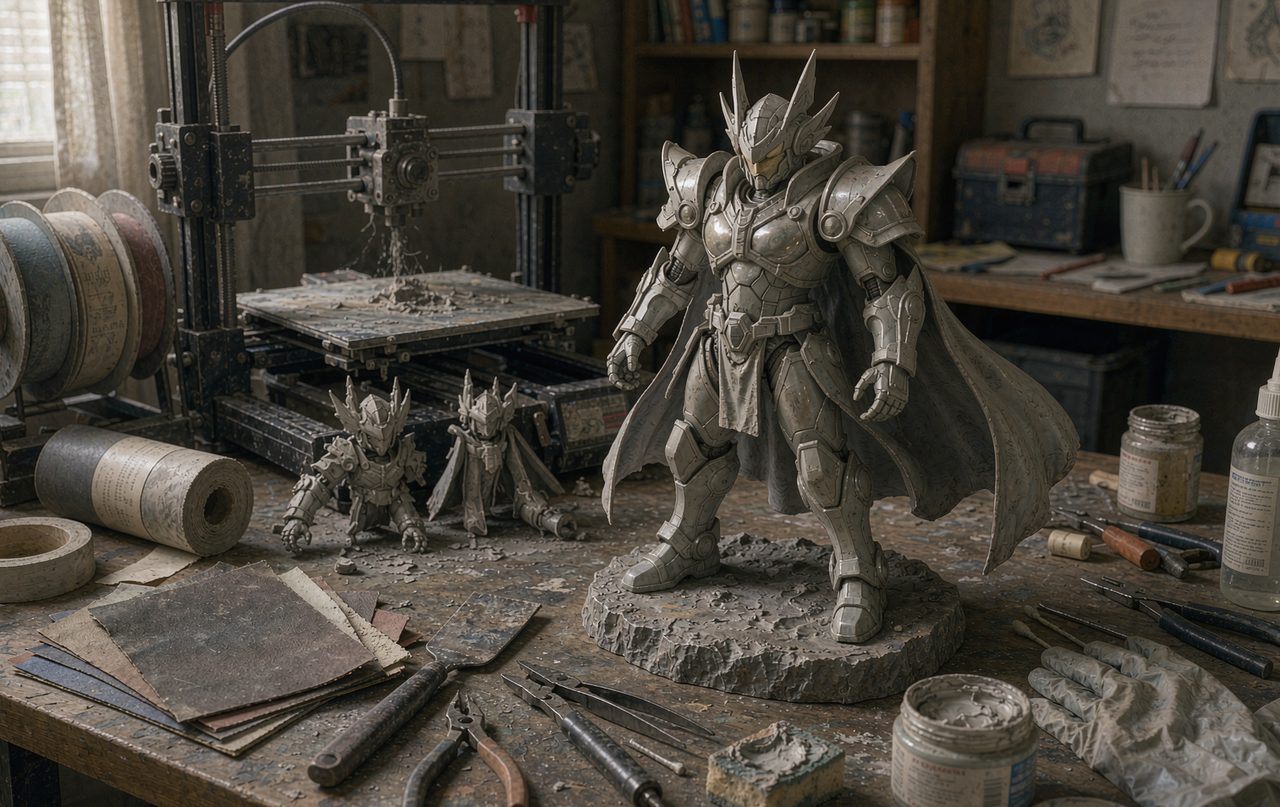 3D Printing & Digital Fabrication — Art derivatives & designer toys
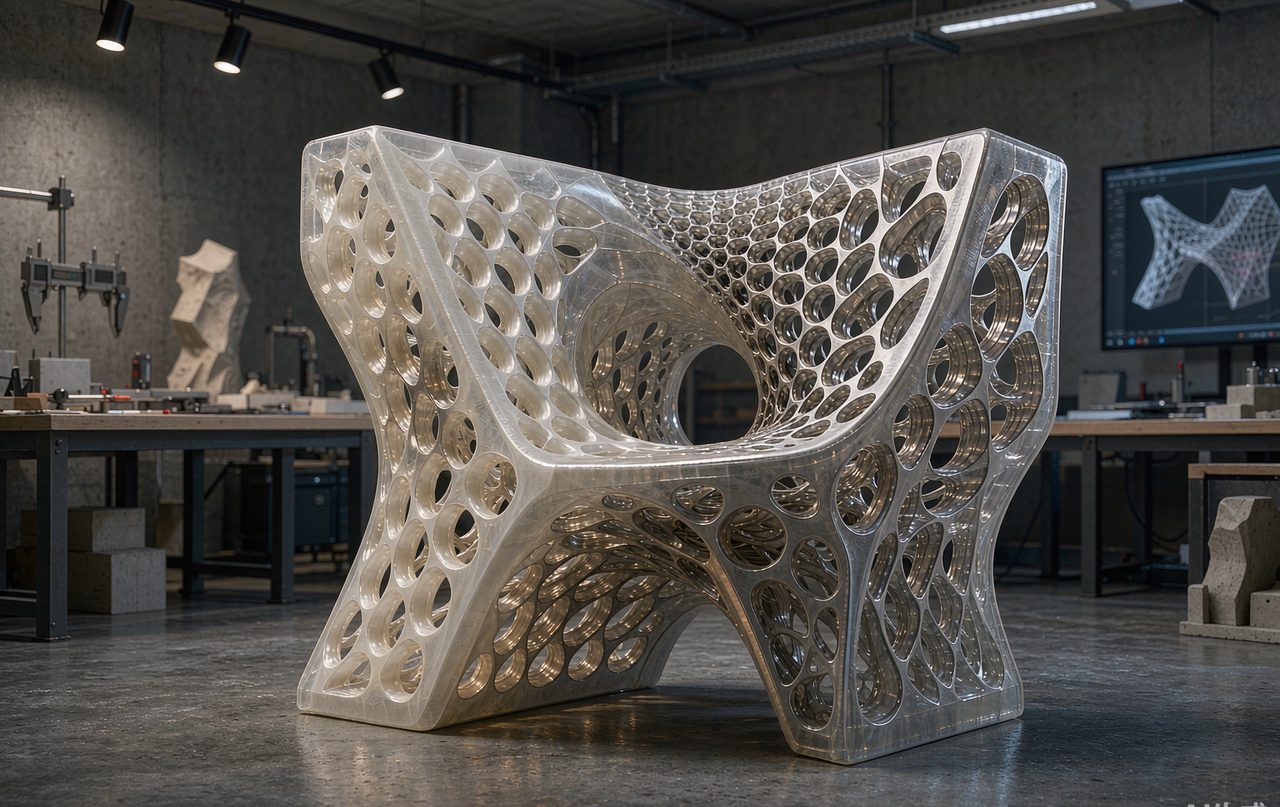 3D Printing & Digital Fabrication — Digital sculpture modelling
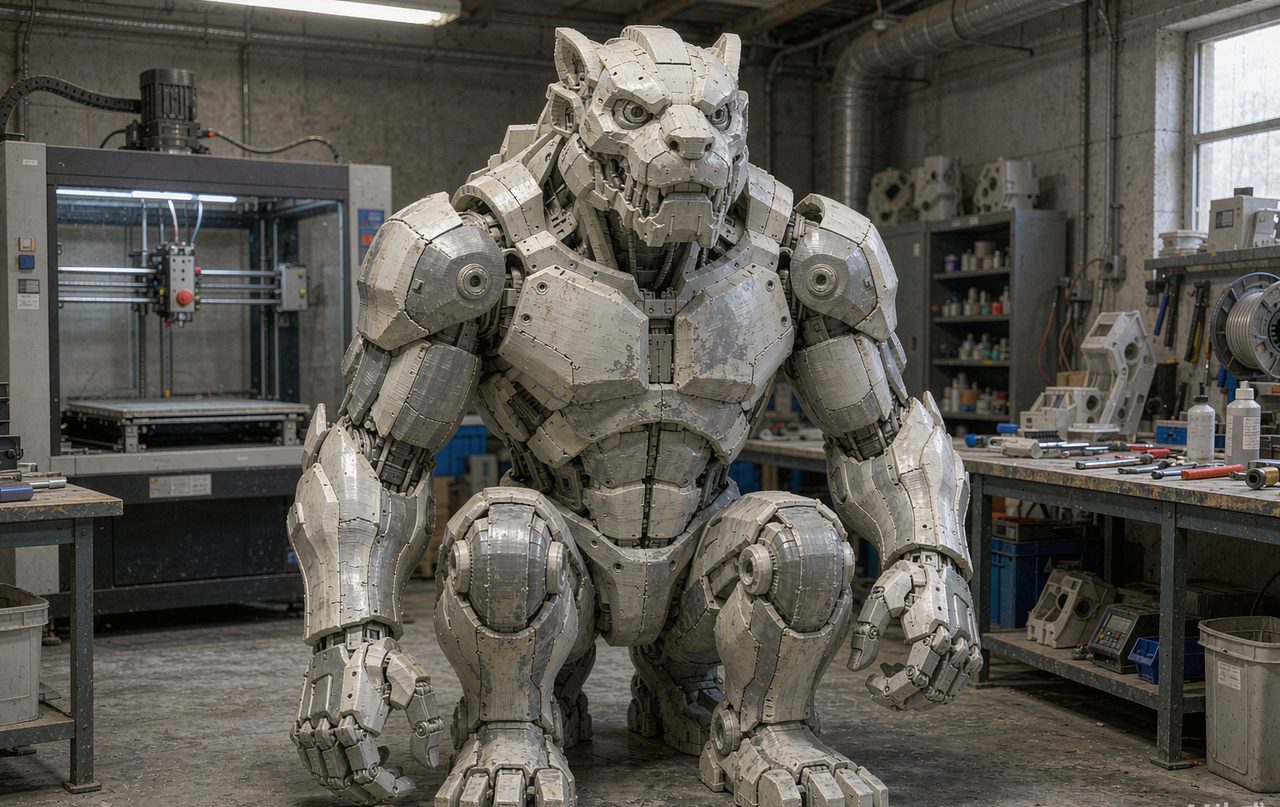 3D Printing & Digital Fabrication — Large-scale 3D-printed sculpture
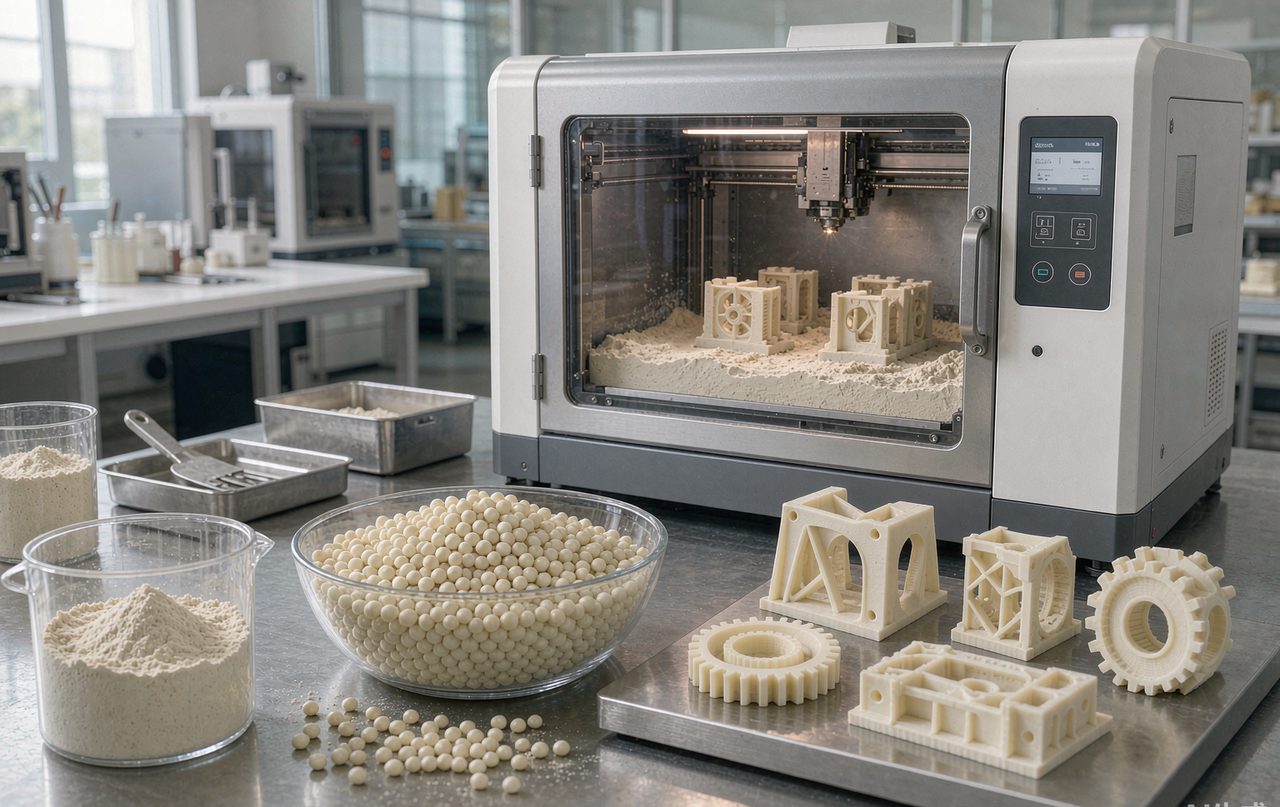 3D Printing & Digital Fabrication — 3D printing material selection
Common questions
What scale should a maquette be?
Can the sample match the final finish exactly?
What is the maximum size of a single printed part?
Discuss prototype & sample printing
Send photographs, drawings or a 3D file with approximate dimensions. You will get a technique recommendation, a reference price band and a production schedule.