Custom-shaped printed components
Custom-shaped components where conventional fabrication will not do.
- Shanghai Xionglan Culture Communication Co., Ltd. (brand: Xionglan Art)
- Shanghai-based workshop · delivery in 67 Chinese cities
- 10 capability groups / 102 individual techniques · design, fabrication and installation in-house
- Phone +86 156 0163 6249 · Mon–Sun 09:00–18:00 (CST)
Printing is at its most useful when a part is complicated but the quantity is low: brackets, ducts, connectors and sculpted details that would otherwise need moulds or expensive machining.
Commissioned work in custom-shaped printed components normally runs from 6 to 30 m², with 3–8 working days in production from approved drawings. The reference range for this technique is CNY 80+ per m², quoted itemised. It sits within our 3D Printing & Digital Fabrication capability, alongside 9 related techniques, and the 4-point deliverable below is what a commission includes as standard.
When custom-shaped printed components is the right answer - and when it is not
Printed custom components are chosen where a part is geometrically impossible or uneconomic to make by conventional means - complex internal channels, organic brackets, one-off fittings, adaptors. They suit architectural details, bespoke fixings, exhibition hardware and prototype parts. The judgment is straightforward: printing wins when the shape is genuinely complex and the quantity is small. Above roughly a few hundred identical parts, or where a simple shape can be cut, pressed or moulded, conventional methods take over on unit cost, so the honest dividing line is complexity against volume rather than print quality.
How the work is actually carried out
The component is designed for the printing process from the start, with wall thicknesses, overhangs and load direction considered so the part is strong where it needs to be. Material is chosen against the real service conditions - temperature, UV, chemical contact and load - rather than by what is quickest to print. Tolerances are set for the intended fit, and critical dimensions are verified after printing rather than assumed. Where the part is functional, a prototype is tested before the batch is produced. Orientation on the build plate is decided by the load path, because a part printed across its weakest direction fails at a fraction of the load it would otherwise carry, and internal channels are designed with the escape of support material in mind so they can actually be cleared after printing.
Typical applications
Typical specifications
| Tolerance | Typically +/- 0.2 mm on smaller parts, wider on large formats |
|---|---|
| Materials | PLA, PETG, ABS, ASA, nylon, resin, composite |
| Processes | FDM for large parts, SLA/DLP for fine detail |
| Lead time | 3 days to 3 weeks |
| Capability | 3D Printing & Digital Fabrication |
| Reference range | CNY 80+ per m² |
| Techniques in this capability | 10 |
| Coverage | Shanghai base, nationwide delivery, overseas projects on request |
Reference price bands for Custom-shaped printed components
Indicative only, based on the scope normally quoted for custom-shaped printed components. A firm price follows a site survey and an itemised quotation split into material, labour, finishing, packing and freight.
| Pricing basis | Priced per piece or per project rather than per square metre |
|---|---|
| Reference range | CNY 80+ per m² |
| How we quote | Itemised: material, labour, finishing, packing and freight shown as separate lines |
Build tiers for custom-shaped printed components
Custom-shaped printed components is not one product at one size: the table below is the same scope ladder we quote on, so you can see where your project sits before asking for a price.
| Build tier | Typical area | Production days | What changes at this tier |
|---|---|---|---|
| Tier 1 | 6–30 m² | 3–8 | Up to 30 m², one substrate and one access setup, 3–8 days in the workshop. |
| Tier 2 | 6–30 m² | 3–8 | 6–30 m² across two or more faces, 3–8 days, substrate build-up agreed per location. |
| Tier 3 | 6–30 m² | 3–8 | 6–30 m² across two or more faces, 3–8 days, substrate build-up agreed per location. |
| Tier 4 | 6–30 m² | 3–8 | 6–30 m² across two or more faces, 3–8 days, substrate build-up agreed per location. |
| Tier 5 | 6–30 m² | 3–8 | 6–30 m² across two or more faces, 3–8 days, substrate build-up agreed per location. |
| Tier 6 | 6–30 m² | 3–8 | 6–30 m² across two or more faces, 3–8 days, substrate build-up agreed per location. |
| Tier 7 | 6–30 m² | 3–8 | 6 m² and above, multiple substrate types and phased access, 3–8 days with a join and numbering plan. |
What we deliver
- Digital modelling from sketches, scans or reference images
- Large-format printing, section splitting and structural joining
- Sanding, priming, painting and surface texturing
- Master-pattern printing for subsequent casting
Faults we see most often in custom-shaped printed components
Each of these is a field failure rather than a workshop one, and each is cheaper to prevent at enquiry stage than to correct after installation.
- Designing a part as if it were machined and then printing it, which produces stress concentrations exactly where the load is.
- Ignoring the printing orientation, since the layer direction determines where the part will fail.
- Skipping prototype testing on functional parts, where the failure only appears under load.
What to settle before an overseas project starts
| Function and load | Tell us what the part does and what it carries. Material and geometry both follow from that, not from appearance. |
|---|---|
| Service conditions | Temperature, UV, moisture and chemicals. These rule out some materials immediately and are worth knowing early. |
| Tolerance and fit | Tell us what it fits into. Printed parts need their tolerances set deliberately for the mating component. |
Working with us from overseas
Enquiry to installation, one point of contact. Export packing, shipping, commercial terms and quality control →
Design intent and what drives the cost
| Technique | Custom-shaped printed components |
|---|---|
| Positioning | Custom-shaped components where conventional fabrication will not do. |
| Floor area normally quoted | 6–30 m² per commission |
| Typical production window | 3–8 working days from approved drawings |
| Main cost drivers | Area and repetition; substrate preparation; detail and modelling time; surface finish; access and working hours |
| What we quote separately | Material, labour, finishing, packing, freight and site measures - each as its own line |
Representative work
3D Printing & Digital Fabrication projects photographed on completion.
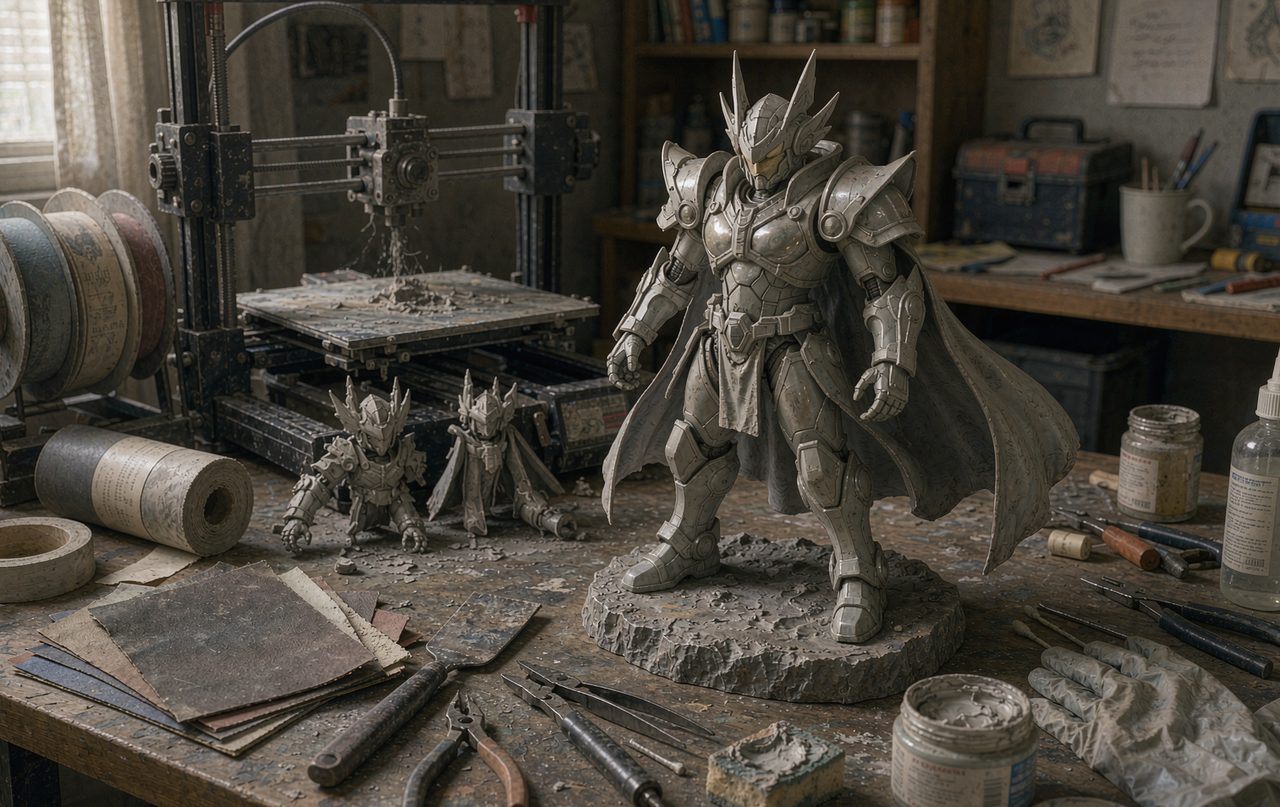 3D Printing & Digital Fabrication — Art derivatives & designer toys
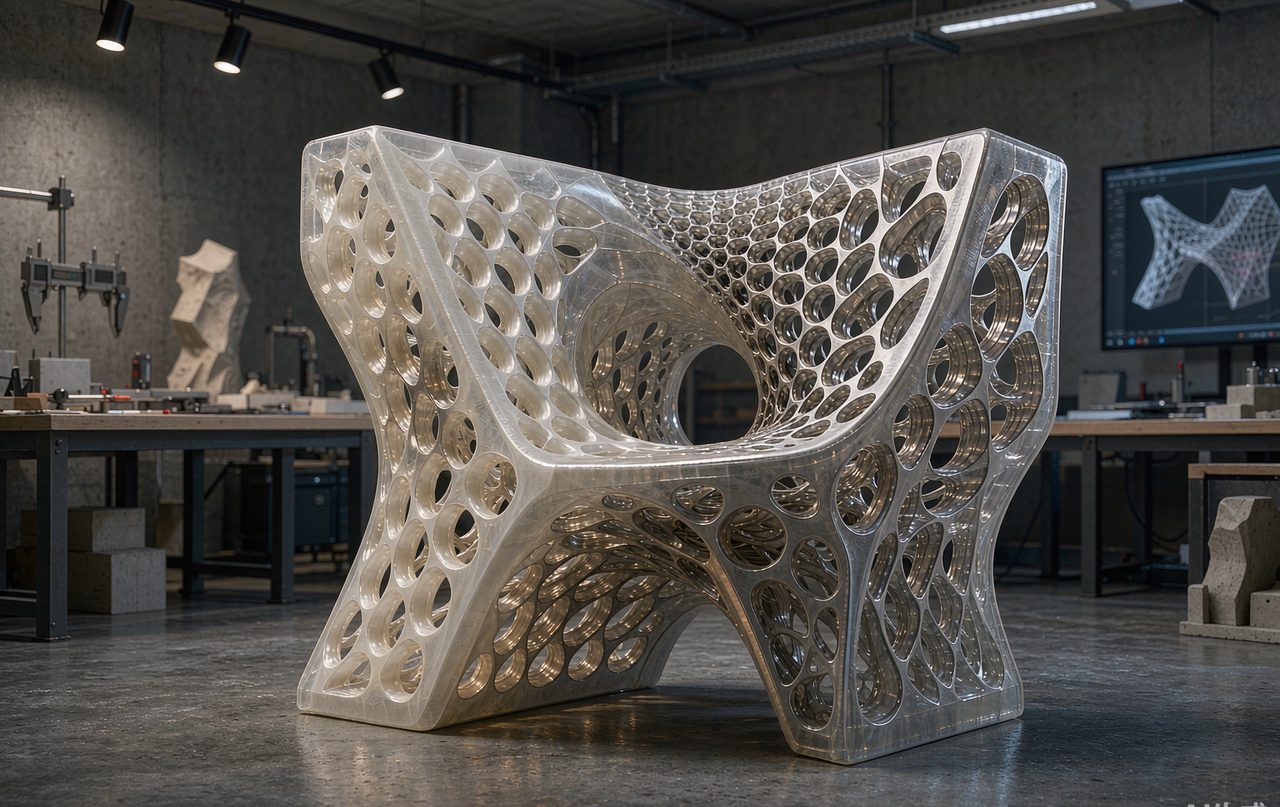 3D Printing & Digital Fabrication — Digital sculpture modelling
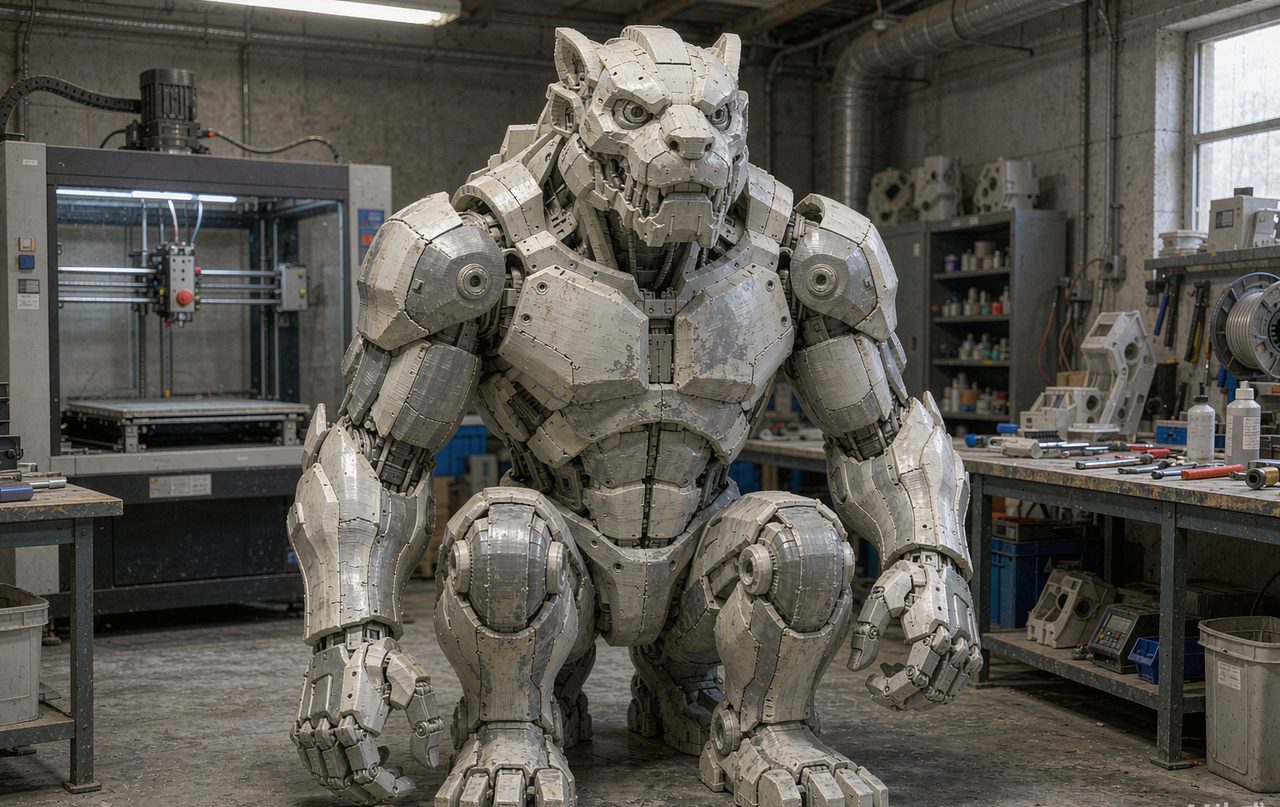 3D Printing & Digital Fabrication — Large-scale 3D-printed sculpture
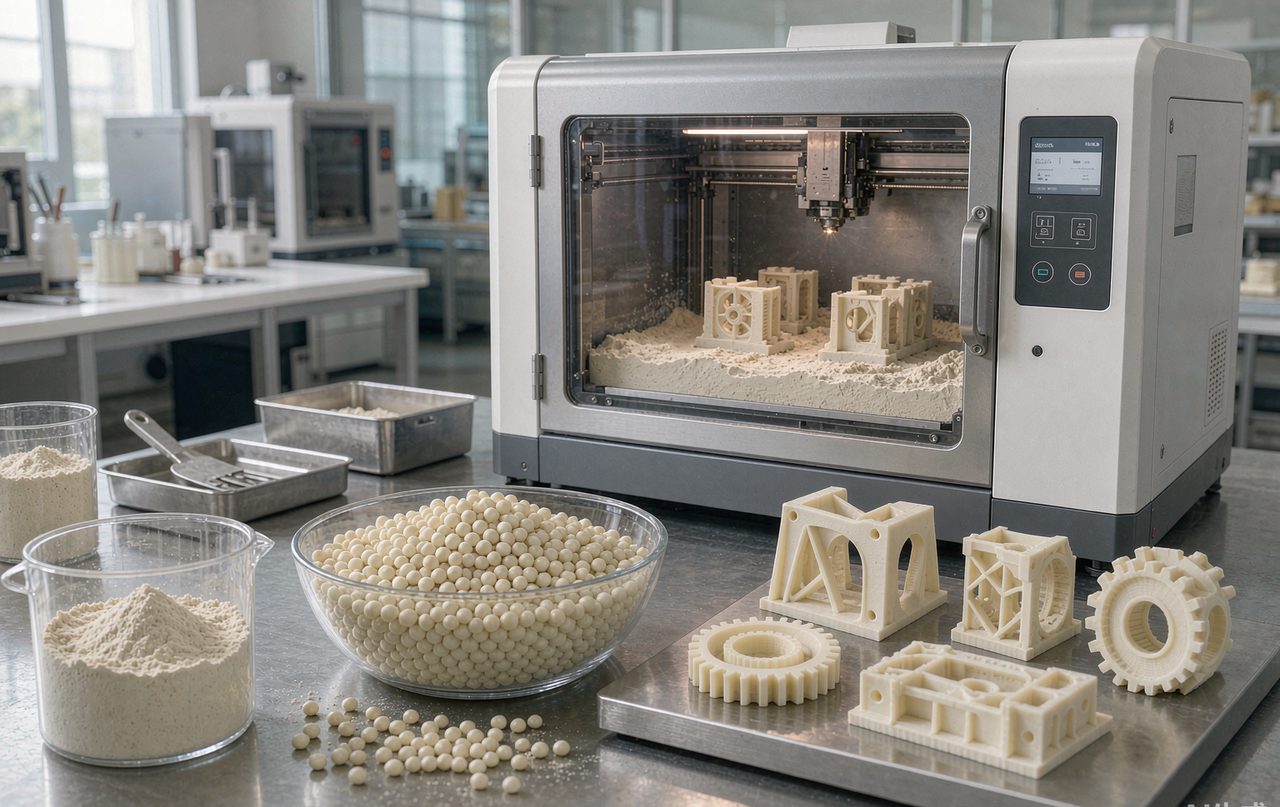 3D Printing & Digital Fabrication — 3D printing material selection
Common questions
Can you print a one-off replacement part?
Is printing cheaper than machining?
What is the maximum size of a single printed part?
Discuss custom-shaped printed components
Send photographs, drawings or a 3D file with approximate dimensions. You will get a technique recommendation, a reference price band and a production schedule.