Village history museum
Village and local history museums - collecting, interpreting, exhibiting.
- Shanghai Xionglan Culture Communication Co., Ltd. (brand: Xionglan Art)
- Shanghai-based workshop · delivery in 67 Chinese cities
- 10 capability groups / 102 individual techniques · design, fabrication and installation in-house
- Phone +86 156 0163 6249 · Mon–Sun 09:00–18:00 (CST)
Local museums have to work with whatever has actually survived: objects, photographs, oral history and sometimes very little. We build the interpretation around the real archive rather than a template storyline.
Commissioned work in village history museum normally runs from 8 to 31 m², with 3–8 working days in production from approved drawings. The reference range for this technique is CNY 300+ per m², quoted itemised. It sits within our Cultural Tourism & Scenic Fit-out capability, alongside 11 related techniques, and the 4-point deliverable below is what a commission includes as standard.
When village history museum is the right answer - and when it is not
Village history rooms and small museums are chosen where a community wants to hold and transmit its own story. They suit village halls, heritage buildings and restored traditional houses. They are usually modest in budget and must be long-lived with minimal maintenance, which makes robustness a design requirement rather than a compromise - the content has to survive being run by volunteers for a decade.
How the work is actually carried out
The story is gathered from the community first - photographs, objects, oral history, documents - and the display is designed around what genuinely exists rather than around a template. Furniture and mounting are built to be robust and repairable, with replaceable graphics so content can be updated as new material emerges. Lighting is designed for the objects and for the electricity actually available, and the layout allows a volunteer to open and close the room alone. Everything is documented so future volunteers can maintain and change it.
Typical applications
Typical specifications
| Typical area | 80-800 m2 |
|---|---|
| Deliverables | Interpretation planning, display cases, graphics, lighting, AV |
| Environment | Humidity and light control to conservation standards |
| Lead time | 4-8 months |
| Capability | Cultural Tourism & Scenic Fit-out |
| Reference range | CNY 300+ per m² |
| Techniques in this capability | 12 |
| Coverage | Shanghai base, nationwide delivery, overseas projects on request |
Reference price bands for Village history museum
Indicative only, based on the scope normally quoted for village history museum. A firm price follows a site survey and an itemised quotation split into material, labour, finishing, packing and freight.
| Scope | Typical area | Reference total | Unit rate |
|---|---|---|---|
| Small area | 8–20 m² | CNY 2,400 – CNY 10,800 | approx. CNY 540/m² |
| Standard area | 20–48 m² | CNY 6,000 – CNY 25,920 | approx. CNY 420/m² |
| Large area | 48 m² and above | CNY 14,400+ | approx. CNY 300/m² |
Build tiers for village history museum
Village history museum is not one product at one size: the table below is the same scope ladder we quote on, so you can see where your project sits before asking for a price.
| Build tier | Typical area | Production days | What changes at this tier |
|---|---|---|---|
| Tier 1 | 10–25 m² | 3–8 | Up to 25 m², one substrate and one access setup, 3–8 days in the workshop. |
| Tier 2 | 6–30 m² | 3–8 | 6–30 m² across two or more faces, 3–8 days, substrate build-up agreed per location. |
| Tier 3 | 6–30 m² | 3–8 | 6–30 m² across two or more faces, 3–8 days, substrate build-up agreed per location. |
| Tier 4 | 6–30 m² | 3–8 | 6–30 m² across two or more faces, 3–8 days, substrate build-up agreed per location. |
| Tier 5 | 6–30 m² | 3–8 | 6–30 m² across two or more faces, 3–8 days, substrate build-up agreed per location. |
| Tier 6 | 6–30 m² | 3–8 | 6–30 m² across two or more faces, 3–8 days, substrate build-up agreed per location. |
| Tier 7 | 15–40 m² | 3–8 | 15 m² and above, multiple substrate types and phased access, 3–8 days with a join and numbering plan. |
What we deliver
- Master-planning input and node-by-node priority list
- Gateway monuments, signage and wayfinding systems
- Exhibition interior, display cases and lighting
- Night-lighting and immersive experience rooms
Faults we see most often in village history museum
Each of these is a field failure rather than a workshop one, and each is cheaper to prevent at enquiry stage than to correct after installation.
- Designing to a museum template when the actual collection is small, producing a lot of empty display and little content.
- Specifying sophisticated lighting and environmental control that cannot be maintained on a volunteer-run budget.
- Fixing content permanently so updating it means a rebuild; replaceable graphics cost slightly more and last far longer in use.
What to settle before an overseas project starts
| What actually exists | Send an inventory of objects, photographs and documents, and their condition. The display is designed from the real collection. |
|---|---|
| Who runs it | Tell us who opens, closes and maintains the space. It governs how robust and how self-explanatory everything must be. |
| Update expectation | Communities keep finding material. Tell us if content will grow, so we design for replacement rather than permanence. |
Working with us from overseas
Enquiry to installation, one point of contact. Export packing, shipping, commercial terms and quality control →
Design intent and what drives the cost
| Technique | Village history museum |
|---|---|
| Positioning | Village and local history museums - collecting, interpreting, exhibiting. |
| Floor area normally quoted | 8–31 m² per commission |
| Typical production window | 3–8 working days from approved drawings |
| Main cost drivers | Area and repetition; substrate preparation; detail and modelling time; surface finish; access and working hours |
| What we quote separately | Material, labour, finishing, packing, freight and site measures - each as its own line |
Representative work
Cultural Tourism & Scenic Fit-out projects photographed on completion.
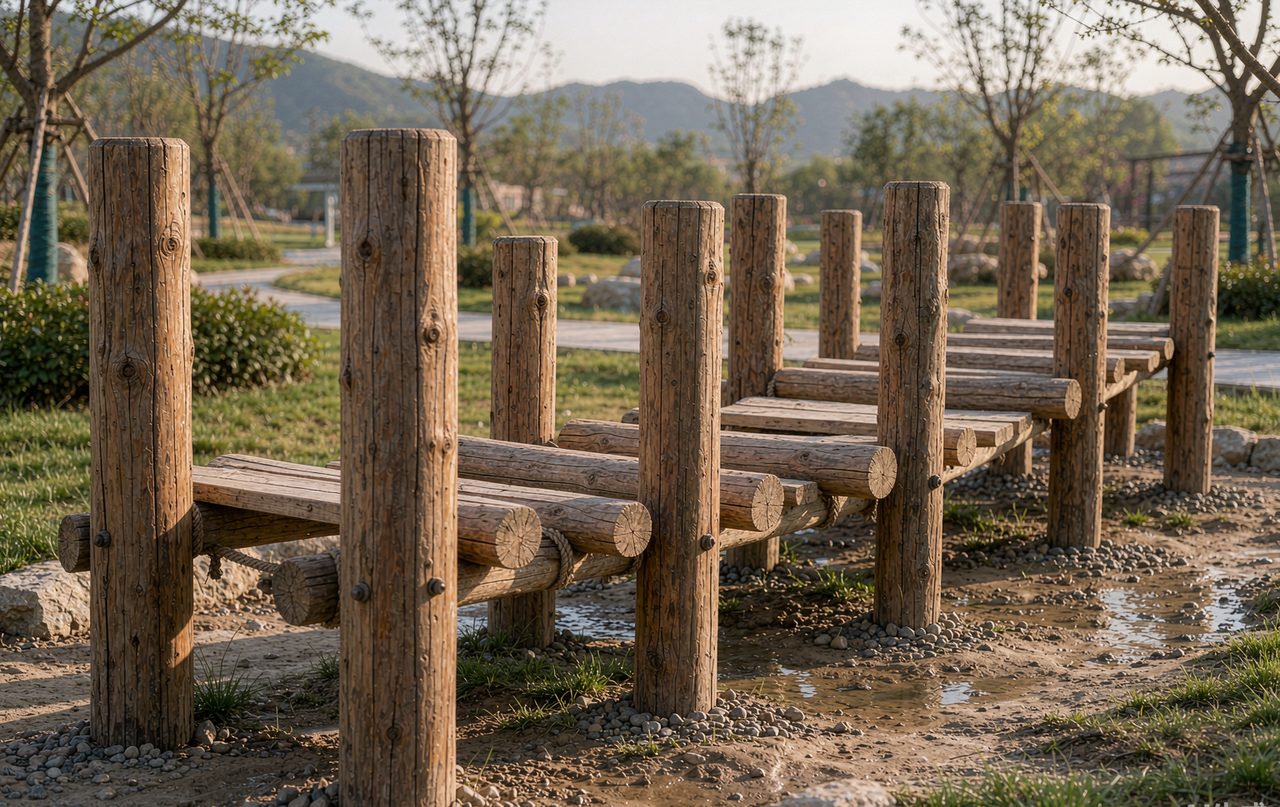 Cultural Tourism & Scenic Fit-out — Playground (no-power rides)
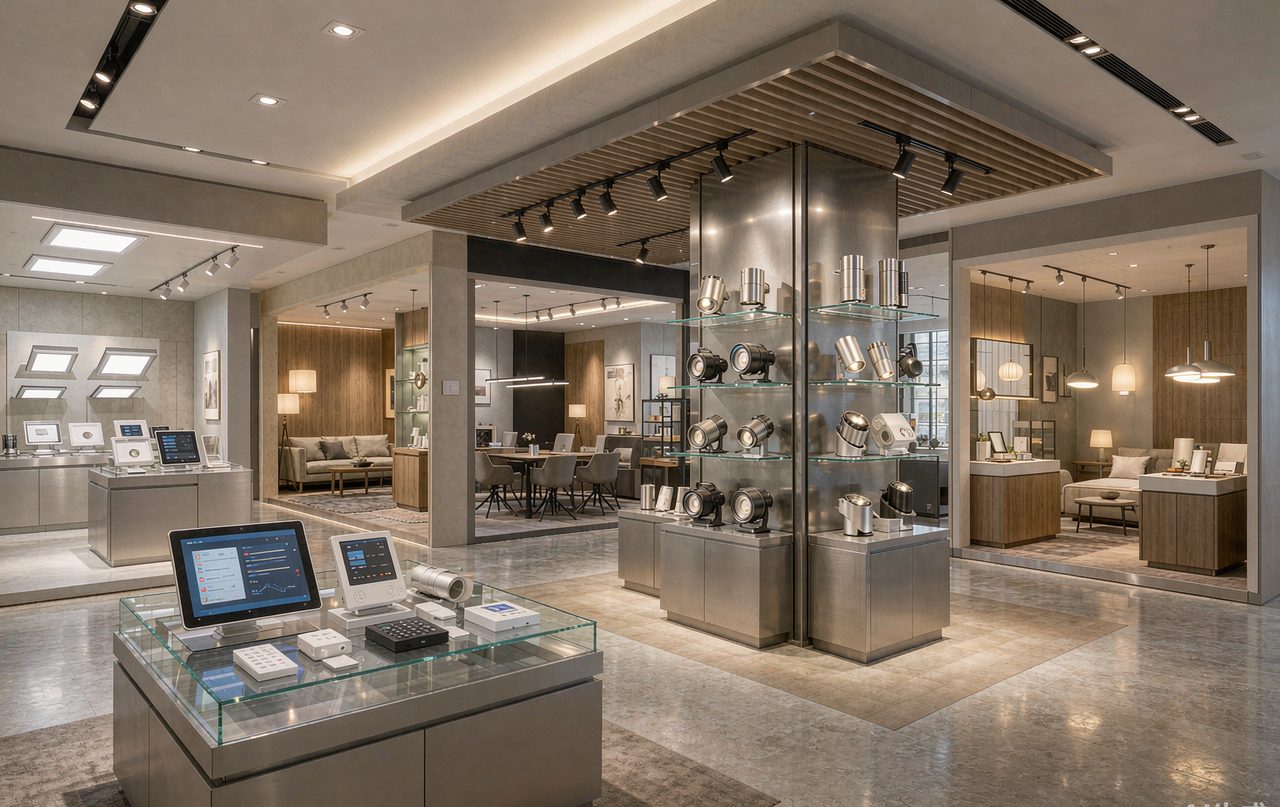 Cultural Tourism & Scenic Fit-out — Exhibition hall & museum fit-out
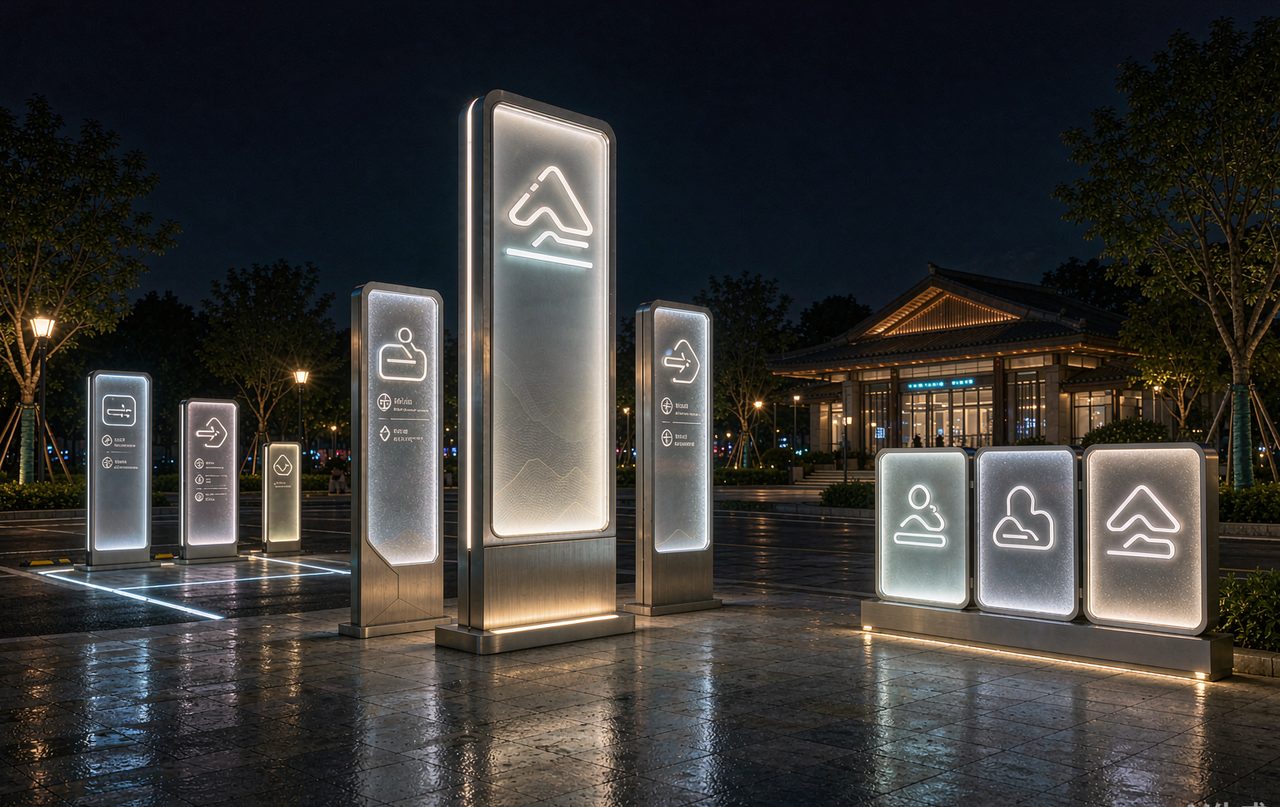 Cultural Tourism & Scenic Fit-out — Wayfinding & signage system
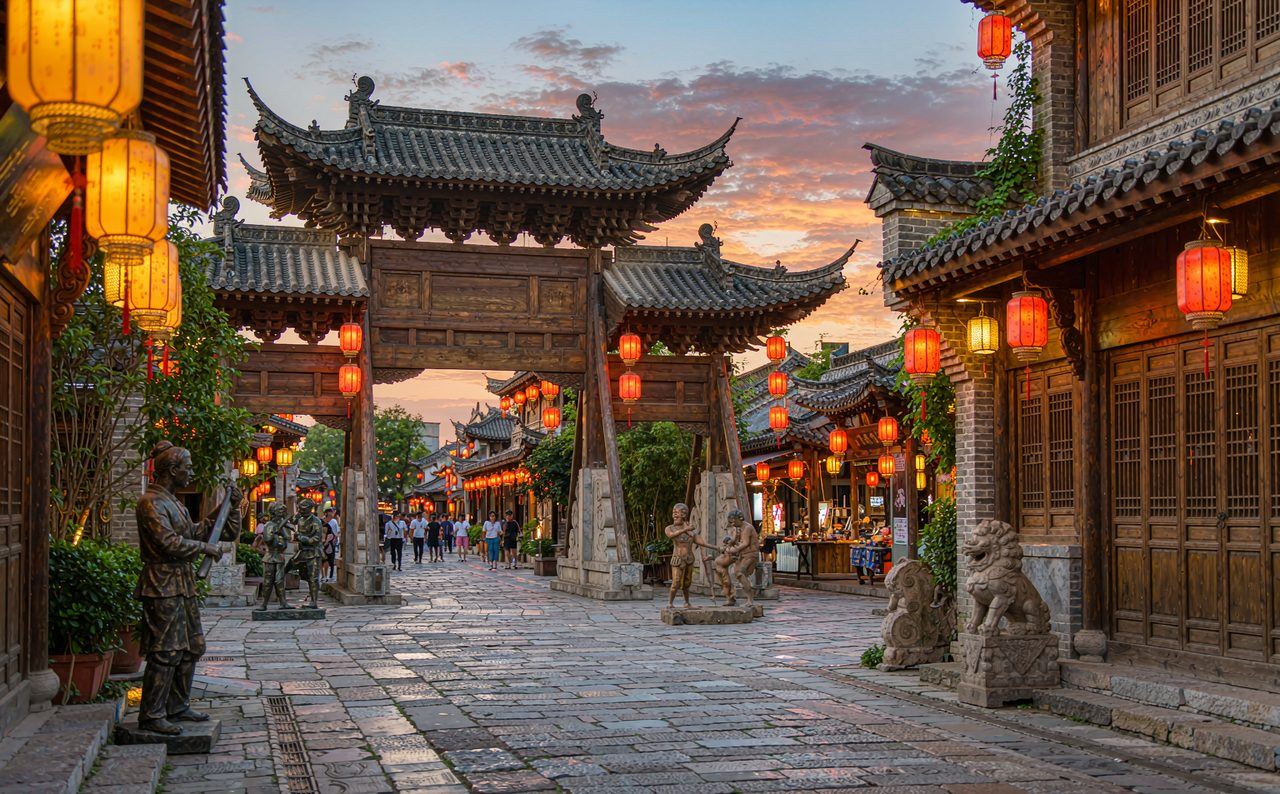 Cultural Tourism & Scenic Fit-out — project photograph
Common questions
Can you handle conservation-sensitive objects?
What if we have very few objects?
Can you work within heritage protection rules?
Discuss village history museum
Send photographs, drawings or a 3D file with approximate dimensions. You will get a technique recommendation, a reference price band and a production schedule.